
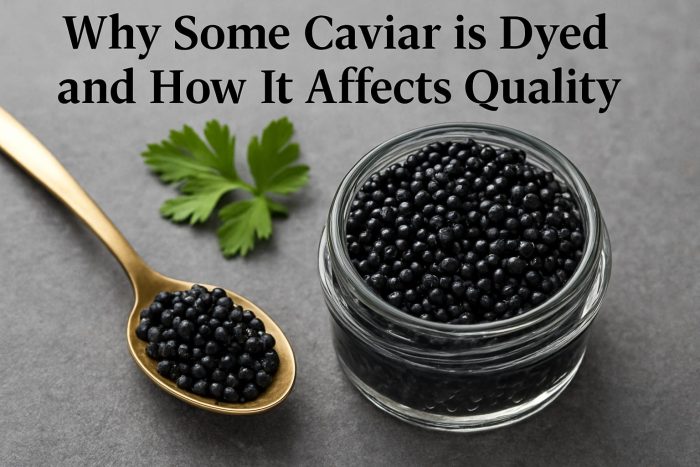
Understanding Dyed Caviar
Caviar, often associated with luxury and fine dining, consists of the roe of sturgeon and other species of fish. While traditional caviar boasts a naturally rich and distinct appearance, some varieties found in the market are dyed. Understanding why caviar is dyed and how this process affects its quality is crucial for consumers.
Reasons for Dyeing Caviar
There are several reasons why some producers choose to dye caviar:
1. Aesthetic Appeal: Dyeing can enhance the visual appeal of caviar. Some consumers prefer vibrant colors, which can make the product look more enticing.
2. Product Consistency: Natural caviar may vary in coloration due to factors such as species, diet, and environment. Dyeing helps achieve a consistent color across batches, fulfilling consumer expectations.
3. Market Differentiation: Different colors can help distinguish between caviar types, especially in markets where varied fish roe products are available.
Common Dyes and Their Uses
Manufacturers typically use food-grade dyes that are safe for consumption. Commonly, black and red dyes are used to enhance or imitate the appearance of specific types of caviar.
Impact on Quality
While dyeing caviar does not inherently affect its nutritional value, it can influence perceptions of quality in a few ways:
Taste Concerns: Some purists argue that the use of artificial dyes might slightly alter the taste, though this is often negligible.
Natural vs. Artificial: Many enthusiasts and connoisseurs believe naturally colored caviar offers a more authentic and superior experience compared to dyed counterparts. The natural variation in color is often seen as a mark of authenticity.
When to Choose Dyed Caviar
Dyed caviar can be a suitable option in specific instances:
Affordability: Dyed varieties can be more affordable, making them accessible to a broader range of consumers who wish to enjoy caviar without the premium price.
Presentation: When presentation and visual impact are crucial, such as in culinary exhibitions or specific events, dyed caviar might be preferred for its uniformity and aesthetic appeal.
Conclusion
The choice between dyed and natural caviar depends largely on personal preference and intended use. While some consumers and experts prioritize natural coloration and flavor authenticity, others may choose dyed options for their cost-effectiveness and visual appeal. Regardless, it’s important that consumers remain informed about the production practices and potential taste implications when selecting their caviar. For more thorough insights into caviar production and selection, consider consulting specialized producers and culinary experts.
