
Packaging Caviar: The Essentials
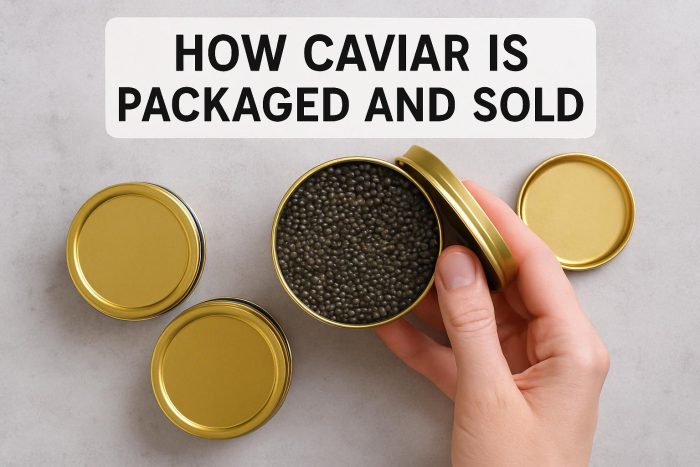
Caviar, the prized delicacy made from the eggs of sturgeon fish, requires careful packaging to maintain its exceptional quality and flavor. The packaging process starts with selecting the right type of container, typically tin or glass, as these materials can help preserve the eggs’ freshness and flavor.
Material Selection
Proper caviar packaging involves using food-grade materials that do not react with the caviar itself. Tins are often laminated with a *food-safe coating* to prevent oxidation and contamination. Glass jars are also popular, as they allow consumers to view the product before purchase and ensure a vacuum seal, enhancing shelf life.
Sealing and Preservation
Once the caviar is loaded into the container, a crucial step is sealing it to prevent exposure to air and moisture. Tins are usually vacuum-sealed while glass jars offer a tight screw-top cap with an additional inner seal. This sealing process preserves caviar’s distinct flavor and texture by reducing the risk of bacterial growth.
Labeling and Information
Accurate labeling is a vital component of caviar packaging. Labels must include the species of sturgeon, origin, processing facility, and expiration date. This information guarantees transparency and traceability, which are important for consumers. Some packages might also include storage instructions to ensure the best possible enjoyment of the product.
Distribution Practices
Caviar is often distributed via cold-chain logistics to maintain its low storage temperature, typically between -2°C and 2°C. Companies specializing in gourmet foods may use insulated packaging and refrigerant gels during transport to uphold these temperature conditions.
This attention to detail at every level of packaging and distribution ensures that by the time the caviar reaches the consumer, it remains a product of high quality and authenticity. For those interested in the logistics of gourmet food, you can find more insights here.
