
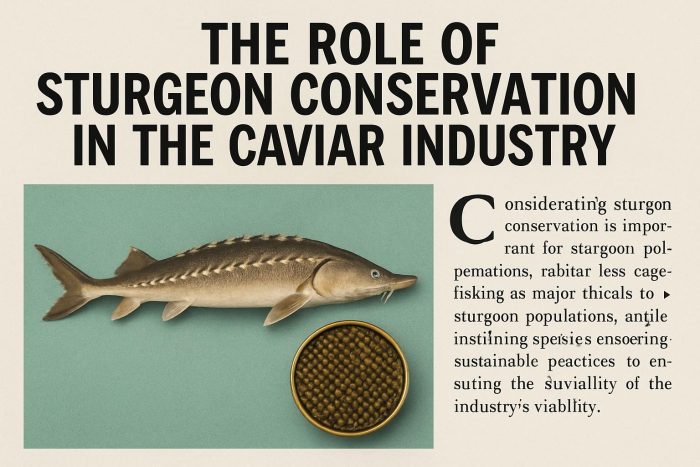
Understanding Sturgeon Conservation
The sturgeon is a prehistoric fish species that has been on Earth for over 200 million years. Its longevity and slow reproductive cycle make it particularly vulnerable to threats such as overfishing and habitat destruction. In recent decades, sturgeon populations have been declining worldwide, raising concerns about their conservation status.
Importance of Sturgeon in the Ecosystem
Sturgeon play a crucial role in aquatic ecosystems as bottom feeders. They help maintain the balance of the ecosystem by consuming dead fish and other organic material. This cleaning process contributes to the overall health of water bodies where they reside.
Threats to Sturgeon Populations
The primary threats to sturgeon are overfishing, habitat degradation, and water pollution. Overfishing, driven largely by the high demand for caviar, has significantly impacted wild populations. Additionally, the construction of dams and pollution in waterways has further endangered these species.
The Caviar Industry
Caviar, which consists of salt-cured fish eggs, is considered a luxury delicacy. The most highly prized caviar comes from sturgeon, specifically from beluga, osetra, and sevruga species. This demand has historically led to over-exploitation of sturgeon stocks.
Sustainable Caviar Production
In response to declining wild populations, the caviar industry is increasingly turning towards sustainable aquaculture. By farming sturgeon in controlled environments, producers can meet market demand without depleting wild stocks. Moreover, aquaculture provides opportunities to apply sustainable practices, such as recycling water and feeding fish efficiently.
Regulatory Measures
International agreements, such as the Convention on International Trade in Endangered Species of Wild Fauna and Flora (CITES), have implemented regulations to control trade in sturgeon and their products. CITES mandates strict reporting and monitoring of sturgeon capture and trade to ensure that it does not threaten the survival of wild populations.
Conservation Strategies
Various conservation strategies are essential to protect sturgeon species. These include habitat restoration, strict enforcement of fishing regulations, and international cooperation to prevent illegal trade. Additionally, public awareness campaigns are crucial in promoting the importance of sturgeon conservation.
Role of Technology
Advancements in technology play a significant role in sturgeon conservation efforts. For instance, DNA analysis can help identify the origin of caviar, ensuring compliance with legal regulations. Moreover, satellite tracking devices are used to monitor sturgeon migrations and habitat use, providing valuable data to inform conservation policies.
Future of Sturgeon Conservation
The future of sturgeon conservation lies in balancing economic interests with biodiversity preservation. Continued efforts in research, technology, and international collaboration are essential to protect these ancient species. Through sustainable practices and robust conservation strategies, it is possible to secure a future for sturgeon populations worldwide.
For more information on sturgeon conservation, consider visiting organizations dedicated to aquatic life conservation or exploring resources from global environmental groups.
