
The Origins of Caviar as Peasant Food
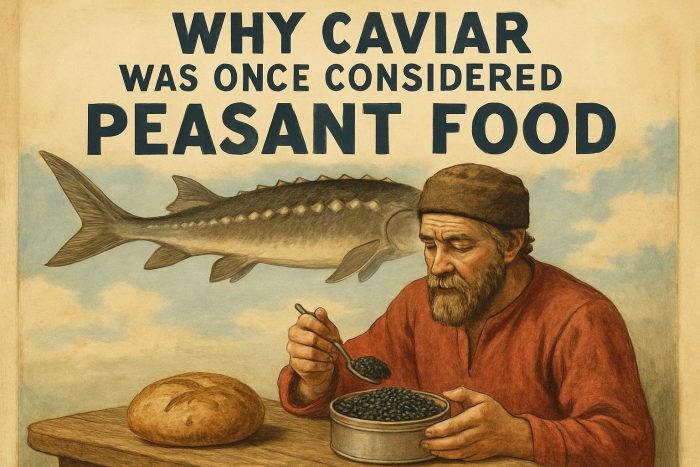
Caviar, the delicacy that now commands high prices and enjoys a luxurious reputation, was not always a symbol of opulence. Historically, caviar was once considered a food for the masses, specifically for the lower economic classes. The journey of caviar from peasant fare to a gourmet delicacy is an intriguing story that reflects changes in supply, demand, and cultural perception over time.
Abundance in the Past
During the times when caviar was more abundantly available, particularly in regions around the Caspian and Black Seas, it was not uncommon for this nutrient-rich food to be a part of the common diet. Sturgeon, the fish from which caviar is harvested, were plentiful in these waters and often caught in large numbers. Consequently, the roe extracted was available in significant quantities, making it accessible to all classes of society, including peasants.
Economic Factors
The economic principles of supply and demand played a critical role in the early consumption of caviar. When sturgeon were plentiful, the supply of caviar exceeded the demand. As a result, prices remained low, and it did not carry the exclusive tag it does today. Overfishing and habitat changes have drastically reduced the sturgeon populations, inversely affecting the availability and pushing caviar into the luxury category as its supply dwindled.
Preservation Methods
Before modern refrigeration and preservation techniques, caviar was salted heavily to prolong its shelf life. This method was affordable and practical, making salted caviar a staple food item for many communities. The simple preservation technique emphasized functionality over culinary sophistication, aligning with the food’s role as sustenance rather than a gourmet treat.
Consumption by Different Classes
Historically, caviar’s easy accessibility meant that it was consumed regularly by peasants in Eastern Europe and Russia. Meanwhile, royalty and the upper classes, although aware of caviar, often viewed it as too common for their refined tastes. They preferred other luxurious foods that were rare and exotic rather than the humble fish eggs consumed by the common folk.
Cultural Shifts
As trade routes expanded and international restaurants began to showcase caviar, perceptions started to shift. By the early 20th century, caviar gained popularity among gourmet chefs across Europe and North America, contributing to an emerging view of it as a sophisticated food choice. This shift was also influenced by marketing strategies that rebranded caviar as an exotic and refined delicacy, further enhancing its appeal to the affluent.
Current Status
Today, caviar is a highly regulated luxury item, with much of it sourced from farm-raised sturgeon due to critical conservation efforts. Its status has come full circle but with a remarkable transformation from a readily available staple to a distinguished addition to the menus of high-end restaurants around the world.
Understanding the roots of caviar as a peasant food highlights not only the changes in its socio-economic perception but also illustrates how cultural and environmental factors can transform the status of a commodity over time. This history serves as a reminder of the dynamic relationship between society, environment, and food consumption.
