
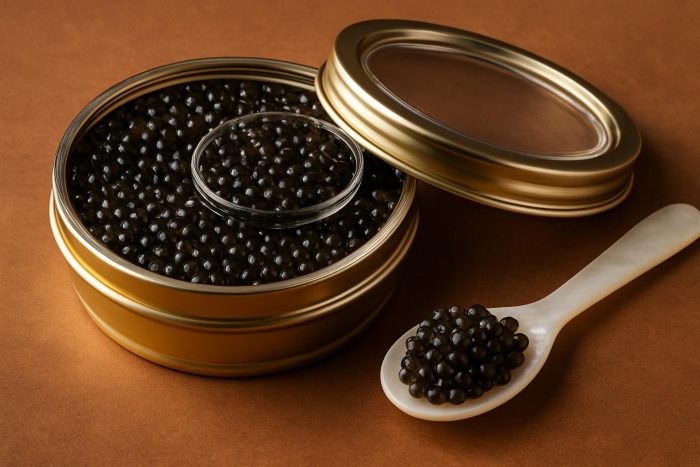
Understanding Caviar Pasteurization
Caviar, the delicacy made from the eggs of sturgeon fish, is highly prized for its delicate flavor and rich texture. However, not all caviar is processed in the same way. A significant portion of caviar available on the market is pasteurized. Understanding why some caviar undergoes pasteurization and how this process impacts its flavor can enhance the appreciation of this gourmet product.
What is Pasteurization?
Pasteurization is a process named after Louis Pasteur that involves heating food to a specific temperature for a set period to kill microorganisms and extend shelf life. This process is commonly used in the food industry for products like milk, juices, and beer. In the context of caviar, pasteurization involves lightly heating the eggs to destroy harmful bacteria and enzymes that can cause spoilage.
Reasons for Pasteurizing Caviar
Microbial Safety: One of the primary reasons for pasteurizing caviar is to ensure microbial safety. Unpasteurized caviar, like any raw fish product, carries a risk of bacterial contamination. Pasteurization effectively reduces these risks, making the caviar safer for consumption.
Extended Shelf Life: Pasteurization also extends the shelf life of caviar. This is especially beneficial for commercial distribution and export, where the product may endure long periods of transport and storage. Pasteurized caviar can last significantly longer than its unpasteurized counterpart without refrigeration.
Regulatory Requirements: In some regions, pasteurization of caviar is a legal or regulatory requirement, particularly for sturgeon species that are endangered or protected. This ensures that the caviar meets safety standards before reaching consumers.
Impact on Flavor and Texture
While pasteurization offers certain benefits, it can also affect the taste and texture of caviar. Since the process involves heat, it can alter the delicate flavors that are characteristic of high-quality caviar.
Flavor Changes: Pasteurization can cause subtle changes in the flavor profile of caviar. While some connoisseurs claim that pasteurized caviar loses some of its nuanced flavors, others find that it maintains a satisfying taste that is slightly more subdued than fresh, unpasteurized caviar.
Texture Variations: The heating process can also affect the texture. Pasteurized caviar may become slightly firmer and less creamy compared to fresh caviar. Some people enjoy this change in texture, while others prefer the more delicate consistency of unpasteurized caviar.
Choosing Between Pasteurized and Unpasteurized Caviar
Ultimately, the choice between pasteurized and unpasteurized caviar depends on personal preference, intended use, and considerations of safety and shelf life. Those seeking the purest form of caviar with the most robust flavors may opt for unpasteurized varieties, often enjoyed at fine dining establishments or purchased directly from producers. However, for those prioritizing safety and longevity, pasteurized caviar offers a reliable and still enjoyable alternative.
For further reading on the nuances of caviar and its processing, many gourmet food publications and specialty food retail websites offer in-depth resources and buying guides.
