
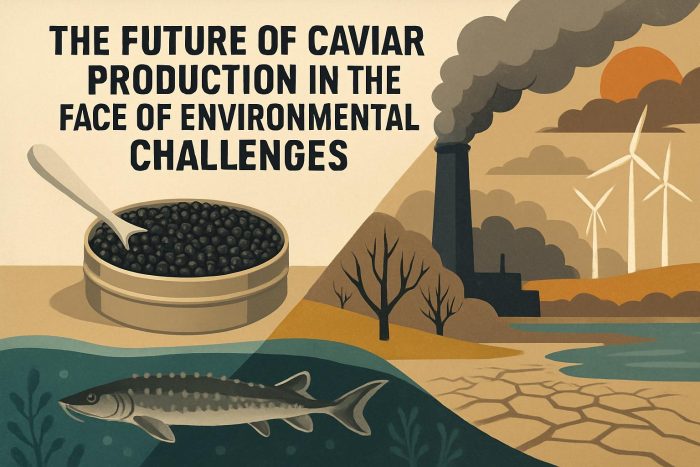
The Status of Caviar Production
Caviar, the salted fish roe of sturgeon, has long been regarded as a luxury delicacy. It is high in demand yet faces substantial environmental challenges that call into question its future production. As the global appetite for caviar continues to grow, the industry is grappling with numerous environmental factors that could considerably alter its landscape.
Environmental Impact on Caviar Production
One of the most pressing issues impacting caviar production is the decline in wild sturgeon populations. Overfishing, habitat destruction, and pollution have significantly reduced numbers of sturgeon in the wild. Intensive solving efforts have been initiated globally to promote sustainable practices. For further information on sustainability initiatives, you can visit the World Wildlife Fund.
Climate Change and Its Consequences
Climate change adds another layer of complexity to caviar production. Changes in water temperature can disrupt sturgeon breeding cycles and growth patterns, impacting the yield of eggs that are later processed into caviar. Moreover, alterations in water ecosystems can lead to increased prevalence of diseases and parasites, which can further deteriorate the health of sturgeon populations.
The Role of Aquaculture
With wild sturgeon populations declining, aquaculture emerges as a viable alternative for caviar production. Controlled environments allow producers to manage breeding, growth, and harvest conditions more efficiently. Aquaculture can mitigate some risks posed by environmental changes. However, it comes with its own set of challenges, including genetic diversity preservation and maintaining high-quality water conditions. To learn about advances in aquaculture practices, see the latest reports from the Food and Agriculture Organization.
Technological Advances and Future Prospects
Technological innovations could play a critical role in addressing environmental challenges and enhancing caviar production. For instance, advancements in genomic research enable better understanding and management of sturgeon populations. Closed-loop water systems and precision feeding technology can reduce environmental impact while boosting production efficiency.
In conclusion, while environmental challenges pose a significant threat to the future of caviar production, a combination of sustainable harvest, aquaculture, and technological innovation may offer a path forward for this delicacy. Continued and collaborative efforts among researchers, policymakers, and industry players are essential to ensuring the longevity and viability of the caviar industry.
