
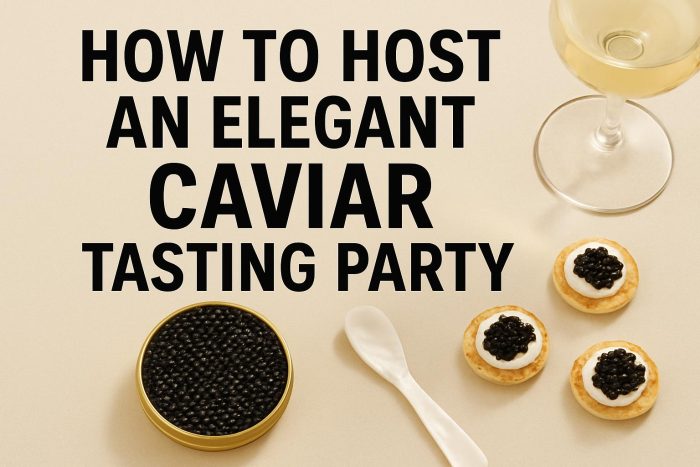
Introduction to a Caviar Tasting Party
Planning to host a caviar tasting party can be a sophisticated and delightful experience for your guests. Caviar, with its rich history and luxurious appeal, can serve as the centerpiece for an elegant gathering. To ensure the event is both enjoyable and educational, understanding the basics of caviar and how to properly serve it is essential.
Understanding Caviar
Caviar refers to the salt-cured eggs (roe) of sturgeon fish. It is primarily sourced from the Caspian Sea, although there are sustainable alternatives produced worldwide. The most renowned types of caviar are Beluga, Osetra, and Sevruga, each differing in size, color, texture, and flavor.
Types of Caviar
– Beluga Caviar: Known for its large eggs and delicate flavor, Beluga is often considered the epitome of luxury in caviar.
– Osetra Caviar: Typically medium-sized eggs, Osetra caviar has a distinct, nutty taste and varies in color from dark brown to gold.
– Sevruga Caviar: Featuring the smallest eggs of the three, Sevruga provides a strong, distinct flavor, making it a favored choice for many connoisseurs.
Planning the Tasting
Guest List: Select a small group of friends or acquaintances who appreciate gourmet experiences. This setting allows for an intimate, engaging atmosphere.
Date and Time: Caviar tasting is best held in the evening, allowing guests to savor the flavors in a relaxed and refined environment.
Setting the Scene
To host an elegant caviar tasting, it’s crucial to focus on details. Use fine tableware and elegant cutlery, such as mother-of-pearl or bone spoons, to avoid metallic flavors, which can alter the taste of caviar. Arrange the table decor with understated elegance, incorporating neutral colors and clean lines.
Serving Caviar
Preparation: Keep caviar refrigerated until just before serving to preserve its freshness. Use ice bowls or chilled serving dishes to maintain its optimal temperature.
Accompaniments: Offer simple yet complementary sides to enhance the tasting experience. Traditional accompaniments include blinis, creme fraiche, chopped eggs, and chopped chives. Toast points and plain crackers can also be provided for added texture.
Beverage Pairings
Caviar pairs well with dry, crisp beverages that cleanse the palate. Classic choices include Champagne or dry white wines, particularly Chablis or a well-chilled vodka served straight.
Guiding the Tasting
Start with the milder varieties of caviar and progress to the stronger, more robust flavors. Encourage guests to observe the color, size, and texture of each type before experiencing the taste. Discuss the unique flavors and characteristics as a group to enhance the educational aspect of the event.
Conclusion
Hosting a caviar tasting party requires attention to detail and an appreciation for gourmet delicacies. By carefully selecting and serving the finest caviar alongside harmonious pairings, you can create an unforgettable experience for your guests.
