
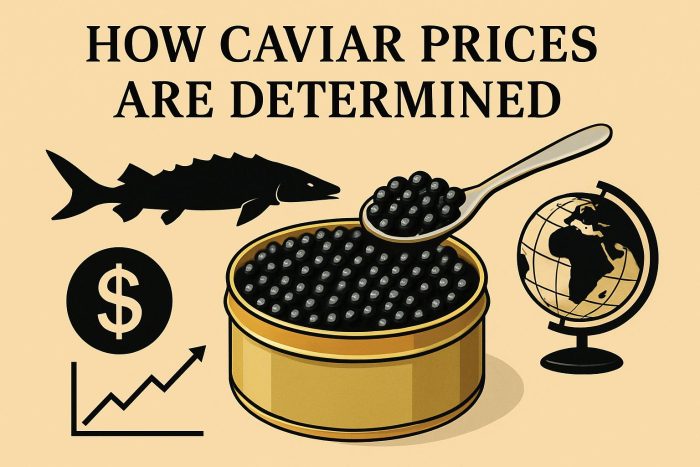
Introduction to Caviar Pricing
Caviar, the delicacy consisting of salt-cured fish eggs, is often associated with luxury and high prices. However, the factors influencing the cost of caviar are more complex than simple market demand. Understanding these factors can provide insights into why caviar is priced the way it is.
Species of Sturgeon
The type of sturgeon from which the caviar is harvested is a primary determinant of price. Some species produce more desirable caviar, leading to variations in cost. For example, Beluga caviar from the Beluga sturgeon is often the most expensive due to its large, soft eggs and refined taste. Other species, like Ossetra and Sevruga, also produce high-quality caviar but with different flavor profiles and textures.
Rarity and Availability
Caviar pricing is also heavily influenced by the rarity and availability of the fish. Overfishing and environmental changes have led to a decrease in sturgeon populations, impacting the availability of their eggs. Regulations and controlled breeding programs aim to sustain these fish populations, but the scarcity of certain species still affects the market significantly.
Farming vs. Wild Caught
Whether the caviar is farmed or wild-caught plays a role in determining price. Wild-caught caviar, often subject to stricter regulations and limited supply, tends to fetch higher prices. Meanwhile, advancements in aquaculture have allowed for high-quality farmed caviar production, often available at a more affordable rate. These controlled environments can influence flavor and texture but generally offer a consistent product.
Quality and Processing
The quality and processing of caviar greatly impact its price. Several aspects, such as the size, color, and flavor of the eggs, are evaluated to determine quality. Processing methods, including salting and aging, are carefully managed to enhance the caviar’s flavor and shelf life. Any variance in these factors can cause significant price differences.
Geographical Origin
The origin of the caviar can also influence its price. Regions such as the Caspian Sea and certain areas in Europe are traditionally known for high-quality caviar, and products from these regions might be more expensive due to their reputation and established quality standards.
Conclusion
Caviar pricing reflects a combination of biological, environmental, and processing factors. The species of sturgeon, availability, farming practices, quality, and geographical origin all contribute to the final cost consumers must pay. Understanding these variables provides a clearer picture of why this luxurious delicacy commands its often hefty price tag. For more detailed insights into the economics of luxury foods, visit reputable economic and culinary research publications online.
