
The Impact of Changing Consumer Preferences
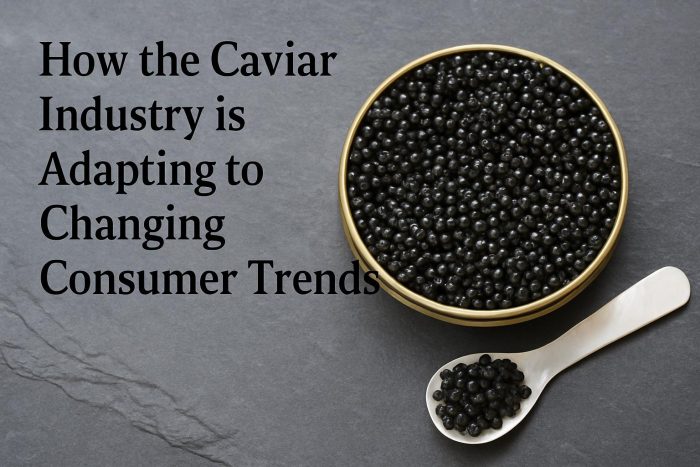
In recent years, the caviar industry has experienced significant shifts in consumer preferences driven by broader trends in food consumption. Increasingly, consumers are becoming more mindful of sustainability, ethical sourcing, and health considerations when making seafood choices. This shift has necessitated a reevaluation of traditional practices within the caviar industry.
Focus on Sustainability
The awareness and concern for environmental impact is increasingly influencing purchasing decisions. As a result, the caviar industry has started adapting by promoting sustainable farming practices. Aquaculture facilities are being optimized to minimize environmental footprint, often prioritizing environmentally responsible operations. These controlled environments not only help preserve wild sturgeon populations but also ensure that the product is free from harmful contaminants.
Many companies are now highlighting their sustainable practices as a core part of their branding. By utilizing technology for more efficient production, these producers aim to meet the demand of consumers who are keen on making eco-friendly choices. The industry is also seeing a shift towards more transparent supply chains, which allow consumers to track the origin of their caviar.
Adapting to Ethical Considerations
Changes in consumer trends are also heavily influenced by ethical concerns. There is growing scrutiny over the welfare of animals used in food production. To address these concerns, caviar producers are seeking certification from recognized bodies that set standards for humane treatment in aquaculture. Labels such as “friend of the sea” are now more commonly seen, providing assurance to consumers about the ethical standards upheld during production.
Clarifying Health Benefits
Consumers today are more health-conscious, often looking for nutritional benefits in luxury foods. As such, the caviar industry is actively promoting the nutritional profile of its product, emphasizing that caviar is rich in omega-3 fatty acids, proteins, and vitamins. This focus aims to attract a segment of consumers who are looking to integrate not just luxurious but also health-beneficial items into their diets.
Technological Innovations in Production
To adapt to these changing trends, technological advancements play a pivotal role. Innovations in breeding and farming technologies, such as precise growth environment controls and improved feed quality, have been instrumental in not only improving yield but also ensuring consistent product quality. Technology also aids in tracing the production process from start to finish, providing consumers with information on origin and farming practice at the point of sale.
Strategic Marketing and Education
The caviar industry is increasingly focused on strategic marketing campaigns geared towards educating consumers about the nuances of caviar production. By providing consumers with more information about how caviar is produced, where it originates from, and its benefits, companies aim to enhance transparency and build trust. This educational approach is essential for addressing misconceptions and highlighting new industry standards.
Conclusion
The caviar industry is navigating a landscape marked by evolving consumer trends towards sustainability, ethics, and health. By adopting new technologies and practices that cater to these considerations, the industry not only aligns itself with consumer demands but also ensures its viability and growth in future markets. As the industry continues to adapt, it remains crucial for producers to maintain a balance between tradition and innovation, ensuring the luxury and exclusivity of caviar are preserved while meeting modern consumer expectations.
