
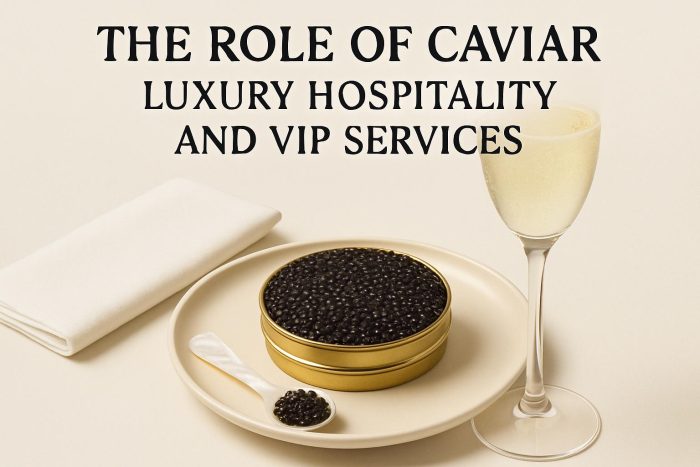
The Significance of Caviar in Luxury Hospitality
Caviar, long associated with luxury and refinement, plays a pivotal role in the realm of high-end hospitality services. This delicacy, derived from sturgeon roe, is widely regarded as a symbol of indulgence and exclusivity. The unique taste and rarity of caviar make it a sought-after offering in luxury dining and accommodations.
Historical Context and Prestige
Caviar’s association with opulence dates back several centuries. Historically consumed by royalty and the elite, its reputation has endured as a delicacy reserved for special occasions. This historical context enhances its allure in modern luxury settings, adding an element of tradition and exclusivity to contemporary hospitality services.
Presentation and Experience
In the luxury hospitality sector, presentation is pivotal. Caviar is often served in elegant settings, with attention to detail in both the environment and the service. The manner in which caviar is presented can significantly elevate the guest experience, transforming a mere meal into a memorable event. Guests often savor caviar in fine dining establishments, accompanied by complementary offerings such as champagne or premium spirits, enhancing the overall sensory experience.
Caviar in VIP Services
Incorporating caviar into VIP services is a common practice in luxury hospitality. Whether it’s a private jet service, a luxury yacht, or an exclusive hotel suite, caviar is often a standard offering to ensure guests receive a top-tier experience. The inclusion of caviar in these services underscores the provider’s commitment to offering the finest experiences to their clientele.
Sustainable Sourcing Practices
As the demand for caviar continues to grow, the luxury hospitality industry faces the responsibility of ensuring sustainable sourcing. Overfishing and environmental concerns have impacted wild sturgeon populations, leading to increased reliance on farmed caviar. Many upscale establishments emphasize sustainable practices, sourcing caviar from farms that adhere to stringent environmental and ethical standards. This not only ensures a steady supply but also aligns with the growing consumer demand for sustainable luxury.
For further exploration on sustainable caviar sourcing, you may refer to reputable organizations dedicated to responsible seafood practices, such as the Marine Stewardship Council.
In conclusion, caviar remains a cornerstone of luxury hospitality and VIP services, its enduring appeal rooted in history, prestige, and sensory indulgence. Its presence in this sector highlights the intersection of tradition and modernity in creating experiences that resonate with sophistication and exclusivity.
