
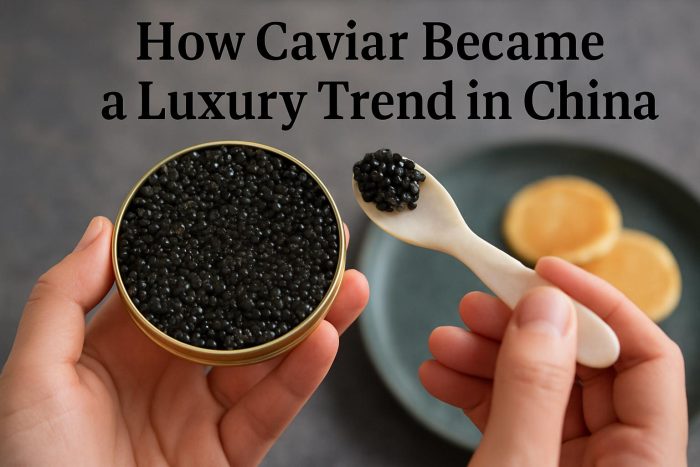
The Rise of Caviar as a Luxury in China
The luxury market in China has been evolving rapidly over the last few decades, with significant emphasis on unique gastronomic experiences. One of the more intriguing trends is the emergence of caviar as a symbol of affluence and sophistication. Caviar, which traditionally hails from the Caspian Sea and is closely associated with Russian and Iranian heritage, has found a prominent place in Chinese luxury circles.
Historical Context of Caviar
Caviar refers to the salt-cured eggs of sturgeon fish. Historically, it has been a staple in the diets of the royalty and elite in Europe and the Middle East due to its rarity and the complexity involved in its procurement. The association with opulence and exclusivity has persisted throughout the ages.
Introduction to the Chinese Market
In the early 2000s, Chinese entrepreneurs began recognizing the potential of domesticating caviar production. Supported by technological advancements, China started establishing aquaculture farms dedicated to breeding sturgeon and producing caviar. This move not only mitigated overfishing concerns in traditional caviar-producing regions but also meeting the burgeoning demand domestically.
Quality and Innovation
The quality of Chinese caviar has seen remarkable improvement. Regulated farming practices and sustainable harvesting methods ensured that Chinese-produced caviar met international standards. Chinese producers focused on innovation in farming techniques, which led to products that could rival their European counterparts in taste and texture.
Market Penetration and Consumer Preferences
With China’s expanding middle class, consumer preferences shifted towards more experiential luxury purchases, including gastronomic indulgences. The nouveau riche in China have embraced caviar, not just for its taste but also for its status symbol. High-end restaurants in metropolitan cities like Beijing and Shanghai have adopted caviar into their menus as a must-have delicacy.
Role of Marketing and Branding
Marketing strategies have also played a crucial role in promoting caviar as a luxury item. Branding efforts have emphasized traditional narratives around elegance and exclusivity, tapping into Chinese consumers’ aspirations for global luxury standards. Additionally, collaborations between international caviar brands and local chefs have reinforced this narrative through curated dining experiences.
Challenges and Future Prospects
While caviar consumption has grown significantly in China, challenges remain. These include maintaining sustainable farming practices and continuing to compete with established caviar brands globally. Consumer education on the nuances of caviar quality also presents opportunities for growth. There is potential for the market to expand further through online sales platforms, as familiarity and appreciation for caviar continue to evolve among Chinese consumers.
In conclusion, caviar has become synonymous with luxury in China due to a combination of local production, quality enhancements, strategic marketing, and changing consumption patterns. As China’s appetite for luxury continues to grow, caviar is likely to remain a prominent feature of its culinary landscape.
